Dermal Fillers
Premium hyaluronic acid dermal fillers for lips, cheeks, chin, jawline, tear troughs, and non-surgical rhinoplasty — assessed across the whole face for balance by a GMC-registered medical doctor, and fully dissolvable if a result ever needs adjusting.
Book Consultation
The short answer
What this treatment is
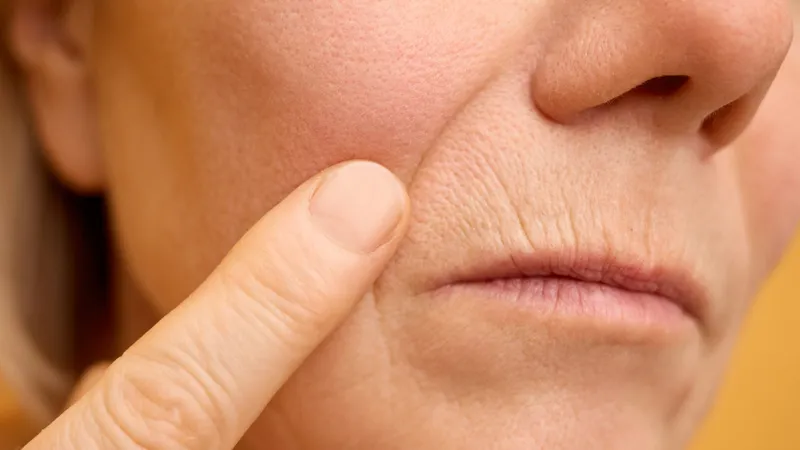
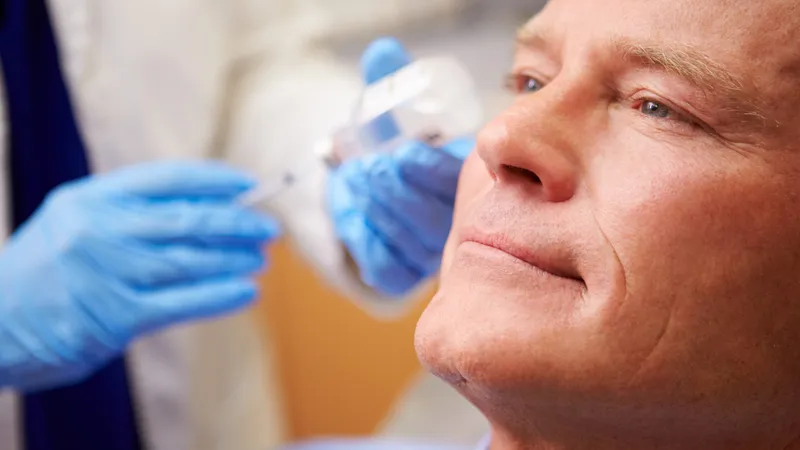
Dermal fillers are injectable gels made from cross-linked hyaluronic acid — the same molecule your skin produces naturally to hold water and cushion tissue. Different products have different particle sizes and densities, which is why a soft lip filler is the wrong product for jawline contouring and a structural cheek filler is the wrong product for the delicate tear trough. Used well, fillers restore volume that time has taken or refine proportions subtly; used badly, they overfill and distort. Dr Paul Elgey brings a GP's whole-patient eye to every treatment — assessing the face as a whole for balance and proportion rather than chasing a single feature — and doses conservatively for results that look like you, only fresher. Because the fillers used are hyaluronic acid, they can be dissolved if a result ever does not feel right.
Areas treated
What's included
- Premium hyaluronic acid fillers only — MHRA-compliant CE-marked products
- Whole-face assessment for balance and proportion, never a single feature in isolation
- Performed by Dr Elgey himself — a GMC-registered medical doctor with 20+ years in medicine
- Conservative first dosing with a review, because adding product is easier than removing it
- Hyaluronic acid filler is fully dissolvable if a result needs adjusting
- Lidocaine within the filler plus topical numbing for comfort
Boundaries of practice
What's not treated
Good practice means saying no when indicated:
- Pregnancy or breastfeeding
- Active skin infection at the injection site
- Known hypersensitivity to hyaluronic acid or lidocaine
- Active cold sore (herpes simplex) outbreak near a lip or peri-oral treatment site
- Recent (within two weeks) dental work involving local anaesthetic at an adjacent site
- History of vascular occlusion at the proposed injection site
Patient journey
What to expect
Consultation & preparation
Avoid ibuprofen, aspirin, vitamin E, fish oil, and alcohol for 24 to 48 hours before treatment to reduce bruising. Space dental work involving local anaesthetic by at least two weeks either side of cheek or peri-oral filler. Come makeup-free, and flag any history of cold sores before lip treatment so antiviral cover can be considered.
During treatment
Aftercare
Avoid pressure, massage, makeup, and strenuous exercise on the treated area for 24 hours. Skip microneedling, chemical peels, saunas, and energy-based treatments for two weeks. Lip swelling peaks around 48 hours and settles over three to five days; cheek, chin, jawline, and tear-trough areas settle within one to three days. The final result is reviewed at two weeks.
Transparent, all-in pricing
Standard areas
Specialist sites
Written and medically reviewed by Dr Paul Elgey , Aesthetic Doctor & GP — MBBS MRCGP · MHRA (Medicines and Healthcare products Regulatory Agency) — hyaluronic acid dermal fillers are CE-marked medical devices.
FAQ
Common
questions
How long do dermal fillers last?
Most hyaluronic acid fillers last 9 to 18 months depending on the product, the area, and your metabolism. Highly mobile areas such as the lips tend to last 9 to 12 months, while the cheeks and jawline often last 12 to 18 months because the tissue moves less. Dr Elgey will give you a realistic timeline for the area treated.
Can fillers be dissolved if I don't like the result?
Yes — this is one of the main safety advantages of hyaluronic acid filler. An enzyme called hyaluronidase breaks the filler down within a day or two, so an unwanted result or a complication can be reversed. Permanent fillers cannot be dissolved and are not used in responsible modern UK aesthetic practice.
Will fillers look unnatural?
Only when overfilled or placed in the wrong plane. Dr Elgey deliberately under-doses on a first treatment and assesses the whole face for balance, because adding a little more later is simple whereas an over-projected result has to be dissolved and reset. The aim is subtle, harmonious enhancement that still looks unmistakably like you.
Is there any downtime?
Lip filler usually involves three to five days of mild swelling that peaks around 48 hours; cheek, chin, and jawline work settles within 24 to 48 hours with the occasional small bruise; tear-trough filler takes two to four days. If it is your first filler in an area, plan any social events with a two-week buffer so the result has settled.
Does filler treatment hurt?
Most patients find it very manageable. The fillers used contain lidocaine, which numbs the area progressively as the gel is placed, and topical numbing cream is applied beforehand for sensitive areas such as the lips and tear troughs. A blunt cannula is used where appropriate, which is more comfortable and reduces the risk of bruising.
Who performs the treatment?
Every treatment is performed by Dr Paul Elgey himself — a GMC-registered medical doctor (MBBS, MRCGP) with over 20 years in medicine and a Level 7 Diploma in Injectables. A GP background means your medical history, facial anatomy, and overall balance all inform the plan, rather than treating one feature in isolation.


Get Started
Ready to begin?
Book today.
Dr Paul Elgey Aesthetics • Unit 1, Orchard Street, London W1H 6HJ
BookAppointments typically available within 1–2 weeks